The Archipelago Sea Partnership
The project will improve the state of the Archipelago Sea through effective water protection measures in collaboration with agricultural producers, food industry actors, and retail companies.


More information:
Maija Soljanlahti
Project manager, Baltic Sea Day maija.soljanlahti@jnfoundation.fi +358 50 463 9305
Nutrient runoff into the Archipelago Sea
The Archipelago Sea is one of the most heavily degraded marine areas in the Baltic Sea, despite a variety of measures aimed at reducing the nutrient load. The Archipelago Sea is particularly affected by eutrophication caused by nutrient runoff from agriculture. Approximately 80% of the phosphorus load in the Archipelago Sea comes from agriculture, as meltwater and rain wash nutrients and solids into rivers and ultimately into the Baltic Sea. Rapid and effective measures are required to control the nutrient load.
Collaborating with companies to improve the state of the Archipelago Sea
The Archipelago Sea Partnership (Saaristomerikumppanit in Finnish) was launched at the initiative of pioneering companies representing the food system.
In the project, Atria, DAVA Foods, HKFoods, Raisio, Vaasan/Lantmännen Agro, and Valio are all encouraging their contract producers to implement measures in the Archipelago Sea catchment area to reduce the nutrient load in bodies of water and improve soil fertility. Producers will be offered incentives funded jointly by food industry actors, the retail companies Kesko and SOK, and by the Ministry of the Environment as part of the Ahti project. Government funding is coordinated by the South Ostrobothnia Economic Development Centre. The John Nurminen Foundation is overseeing the practical implementation of the project.
The project will see the creation of a new, business–driven operating model for agricultural water protection in the Archipelago Sea catchment area.
Implementing the most effective measures
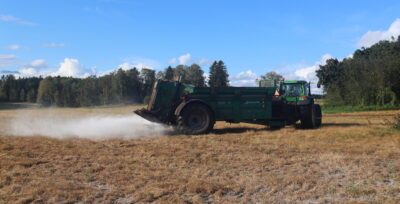
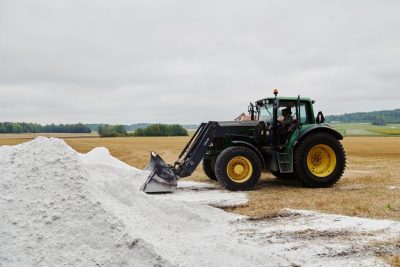
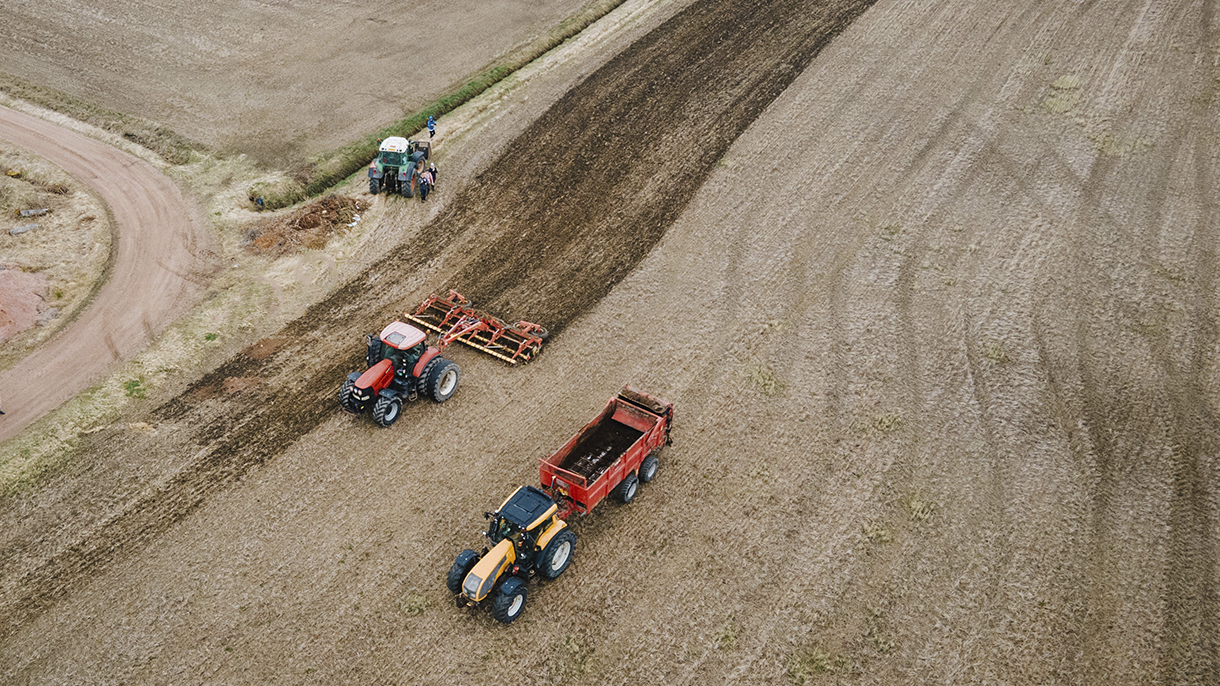
The project aims to involve 100 farms in the Archipelago Sea catchment area. Agricultural producers will select and target farm-specific water protection measures, supported by an advisor. Concrete measures to reduce nutrient loading include manure recycling, avoiding autumn manure-spreading, increasing winter-time plant cover, and the use of soil improvers.
In addition to concrete water protection measures, our collaboration is also promoting a positive attitude to water protection, and increasing participants’ expertise in water protection. In the project, we’re offering agricultural producers and the food and retail industries information about the most cost-effective water protection measures and how their implementation benefits production and business.
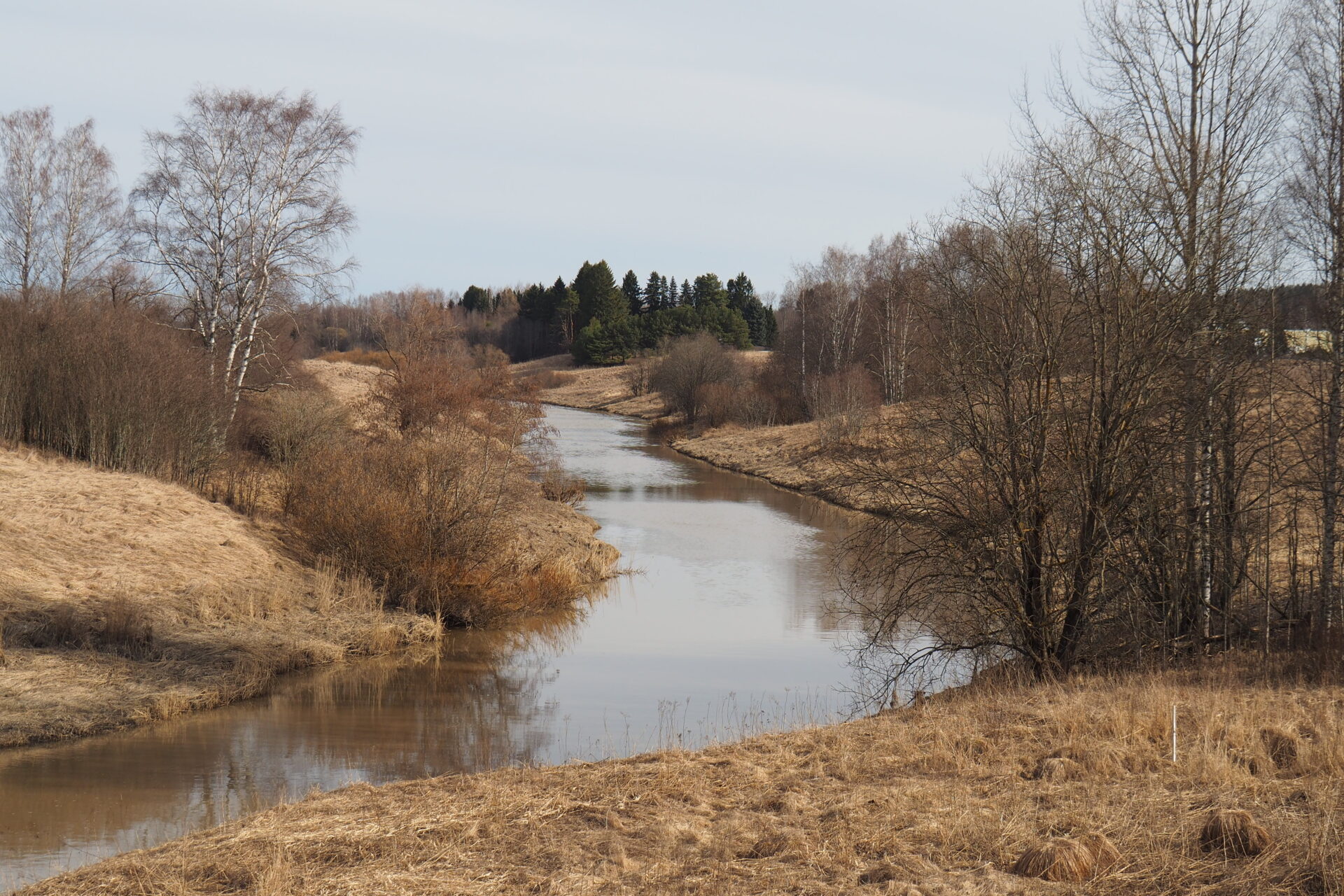
The Archipelago Sea is one of the most degraded areas in the Baltic Sea – measures are reducing nutrient loading in the Archipelago Sea
The project is supporting Finland’s water and marine management objectives to reduce external loading, ensure that water bodies are in a good ecological state, and prevent the deterioration of water quality.
The project also supports the goals of the Baltic Sea protection project to remove agricultural load on the Archipelago Sea from HELCOM’s list of major nutrient inputs. At the same time, it further supports the aims of the EU Biodiversity Strategy for 2030 to stop biodiversity loss in coastal ecosystems that are weakened by eutrophication.
In cooperation:
Atria, DAVA Foods, HKFoods, Kesko, Raisio, SOK, Vaasan/Lantmännen Agro, and Valio. The project is co-funded by the Ministry of the Environment’s Ahti project coordinated by the South Ostrobothnia Economic Development Centre.