

Sustainability
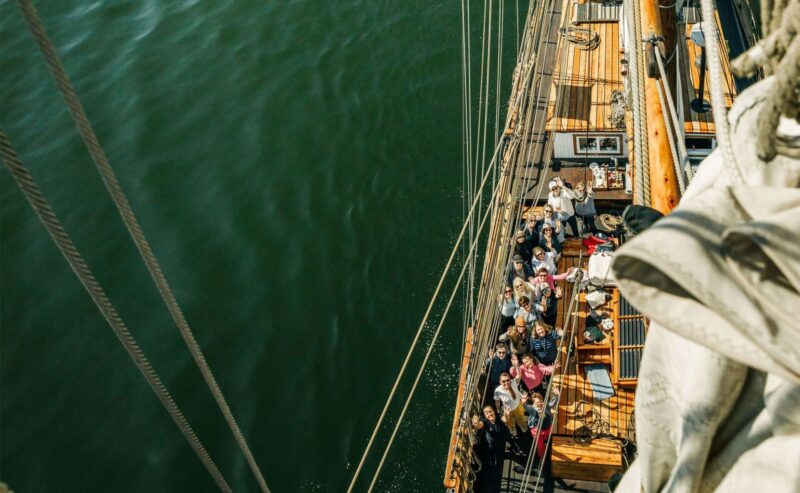
We save the Baltic Sea and its heritage for future generations
We, the personnel of the Foundation – so called Säätäjät – work passionately to save the Baltic Sea. Our main aim is to increase the overall wellbeing of the Sea, from its ecological state to culture. Simultaneously, we improve the sustainability of our own work methods.
We are now 25 people working to save the Sea. Our daily work involves collaborating with a wide range of partners and stakeholders. We are uncompromising professionals when it comes to saving the Baltic Sea, so encouragement, learning and endurance at work are prerequisites for our success.
Sustainability programme
Our goal is to save the Baltic Sea and its heritage for future generations. Through a materiality analysis carried out for our stakeholders and personnel, we have selected three areas of sustainability that are important to us. For each area, we defined targets for 2030. We will monitor the development of our sustainability targets and report on them in more detail as part of our Annual Report (2025).
Impactful actions
- reducing phosphorus load
- strengthening people’s relationship with the sea
- reducing our own CO2-emissions
Our goal is to significantly reduce the phosphorus load to the Baltic Sea, increase the willingness to donate to the foundation and maintain the trust of our stakeholders.
Competent and healthy personnel
- developing and maintaining competence and well-being
- developing the employee experience
Our goal is to encourage actions that maintain health, well-being and work motivation. We measure well-being at work and job satisfaction with surveys twice a year.
Reliable partnership
- transparent communication
- minimizing risks
- developing partnerships
It is important for us to allocate at least 70 % of the donated funds annually to our operational activities. We communicate openly about the use of donated funds. We also aim to have the “code of conduct” approved by the majority of all our partners.
John Nurminen Foundation and the UN SDGs
In our own operations, we are committed to promoting these United Nations Sustainable Development Goals:
6.
Clean water and sanitation
- Improve water quality by reducing pollution and minimizing emissions of hazardous chemicals.
- Protect and restore water-related ecosystems, such as wetlands and peatlands.
- Wastewater treatment.
12. Responsible consumption
- Encourage the adoption of sustainable practices and their reporting.
- Ensure that people are aware of sustainable development and nature-friendly lifestyles everywhere.
13. Climate action
- Integrate climate change measures into national policies, strategies and planning.
- Increase the knowledge related to climate change mitigation, adaptation and mitigation of the effects.
14. Life below water
- To prevent and significantly reduce marine pollution, especially through land-based activities, such as marine waste and nutrient loads.
- Protect marine and coastal ecosystems, for example by strengthening their resilience, and take restoration measures to safeguard healthy and productive marine areas.
15. Life on land
- Protect and restore terrestrial and inland freshwater ecosystems and the services they provide– in particular forests and wetlands– by 2030.
- Promote the adoption of sustainable management practices for all types of forests.
Cultural sustainability
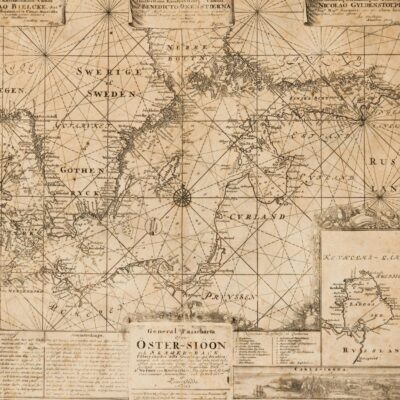
Strengthening people’s relationship with the sea is a significant part of our foundation’s work. That is why we also promote cultural sustainability.
Emissions from own operations
As part of our sustainability program, we also calculate the emissions from our own operations. The calculation takes into account all relevant Scope 1, Scope 2, and Scope 3 emissions in accordance with the GHG Protocol. The calculation is performed automatically based on accounting data, so the result is indicative and always rounded up.
We use consumption-based emission factors as the basis for the calculation. Our relatively large carbon footprint is due to the nature of our work. We carry out concrete work to protect the Baltic Sea, which involves, among other things, infrastructure construction, the transport of various materials, and publishing.
We provide a more detailed information of our Scope 1, Scope 2, and Scope 3 emissions as part of our annual report.
Our work
What do we do to save the Baltic Sea and its heritage?