Sea Too
In this international project we are preventing nature loss in the Baltic Sea. We restore underwater habitats and promote a widespread change that involves genuinely sustainable use of natural resources and a stronger bond between humans and the sea.


More information:
Nature loss is occurring at an unprecedented rate in human history. It is a global problem but can be seen locally: the disappearance of a single key species in a forest, meadow or bay can mean the loss of an entire local ecosystem. It results in the sixth mass extinction, which is caused by a single species – humans. We use natural resources faster than nature can replenish them.
Nature loss is also accelerating in the Baltic Sea: just under a quarter of the habitat types along the Finnish coast are endangered, and another quarter are degrading. The main cause of underwater nature loss in the Baltic Sea is eutrophication, which is being exacerbated by climate change.
Stopping nature loss requires proactive conservation and restoration of nature and a reduction in eutrophication emissions – but above all, it requires a change in our values, attitudes and actions.
Restoring habitats will help the Baltic Sea withstand climate change
In the Sea Too project, we restore underwater habitats, including common eelgrass meadows, bladderwrack beds, and stone reefs. These habitats are important parts of the ecosystems, offering essential functions like food, shelter and breeding grounds. Yet due to human activities, the habitats have deteriorated.
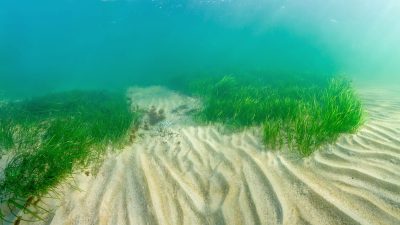
Common eelgrass forms extensive and dense seabed meadows that provide nourishment and protection for dozens of Baltic Sea species. Their roots bind bottom sediment, thereby reducing erosion and water turbidity, and they also improve water quality by binding nutrients.
Common eelgrass meadows have declined in many areas of the Baltic Sea, mainly as a result of eutrophication. Although transplanting common eelgrass in areas from which it has disappeared is a relatively new method, it has yielded good results in recent years in the coastal waters of both Finland and Sweden. Research from the University of Gothenburg has shown that biodiversity can quickly return to a transplanted meadow.
In the Sea Too project, we restore seagrass meadows along the coasts of Finland and Sweden. In the saltier waters of southern Sweden, seagrass meadows also act as carbon sinks. In 2025-2026, we restore eelgrass meadows together with the Municipality of Kristianstad and the Vattenriket Biosphere Reserve along the southern coast of Sweden. With the help of local divers, we are continuing restoration work previously initiated in the area.
Besides seagrass meadows, we restore bladderwrack beds. Bladderwrack is a type of algae and a key species of the Baltic Sea. The bladderwrack beds are like underwater forests, supporting a wide variety of other species. However, bladderwrack is threatened by eutrophication, particularly the overgrowth of filamentous algae that can suffocate it.
Our bladderwack restoration activities begin in 2026 in the Kristianstad’s Vattenriket Biosphere Reserve where we clean rocks from filamentous algae to promote bladderwrack reproduction. Local school classes and youth groups take part in the activities.
Another method of restoration in the project is reviving stone reefs in the coastal waters of the Baltic Sea. We start the work in 2026 along the coast of Skåne, where a lot of stones have been removed from the sea. This historical “stone fishing” has been done for construction purposes due to the lack of stone material on land in the region.
Removing stones from the seabed disrupts underwater ecosystems: many algae use these surfaces for growth, while other species depend on them for shelter and feeding, for example. In the Sea Too project, we construct a stone reef in Åhus in Kristianstad municipality and promote the growth of bladderwrack on the reef to support the biological benefits.
Stopping nature loss requires a change in the relationship between humans and sea
Halting nature loss requires not only concrete restoration work, but also a shift in how we think and act in relation to nature. In the Sea Too project, we bring the unseen underwater world closer to people, making the sea’s biodiversity and humans’ connection to it more tangible and understandable.
We organise participatory workshops and encounters to deepen our understanding of people’s relationship with the sea. We collect memories and experiences of the sea from people of different ages. In these encounters, memories and experiences of the sea are shared with others.
The overarching goal in the project is the collaboration with partners and local communities across Baltic Sea countries, from outer islands to urban environments, and from the underwater ecosystems to human communities. By working with local people we can find sustainable ways of using the sea, while also learning from traditional customs and local experience.
Art conveys knowledge and feeling
The project also collaborates with professional sound and music artists, an environmental ethnologist, divers and researchers. The aim is to create a picture of the changes that have happened in the sea and in people’s relationship with it. The first public artwork will be completed by the summer of 2026, and the next by the beginning of 2027.
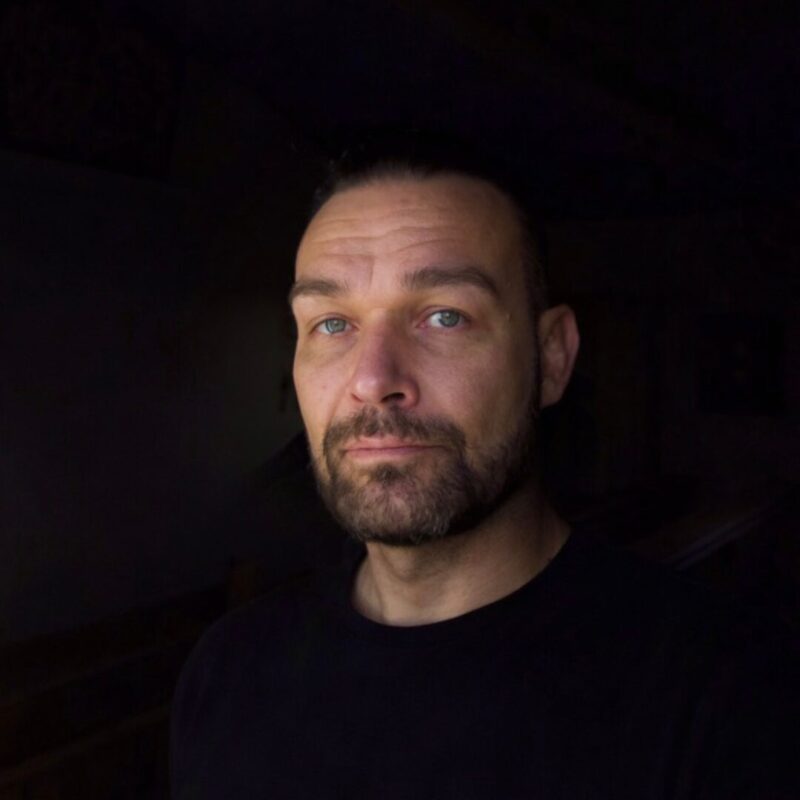
Jaakko Autio is a Finnish sound and media artist who creates spatial and experiential listening architectures. His immersive installations place emphasis on shared listening, collective presence, and breath. His works are built around multichannel environments with spatialised speaker installations and tactile low-frequency sound.
Autio explores how experience arises from interaction between humans and the environment. In his INTER series, he examines how environmental rhythms, such as wind, water, and ice, become perceptually tangible within the human experience. His work has been exhibited widely in Finland and internationally.
In summer 2026, Autio’s sound artwork INTER – Jurmo can be experienced on the island of Jurmo as part of the Sea Too project.
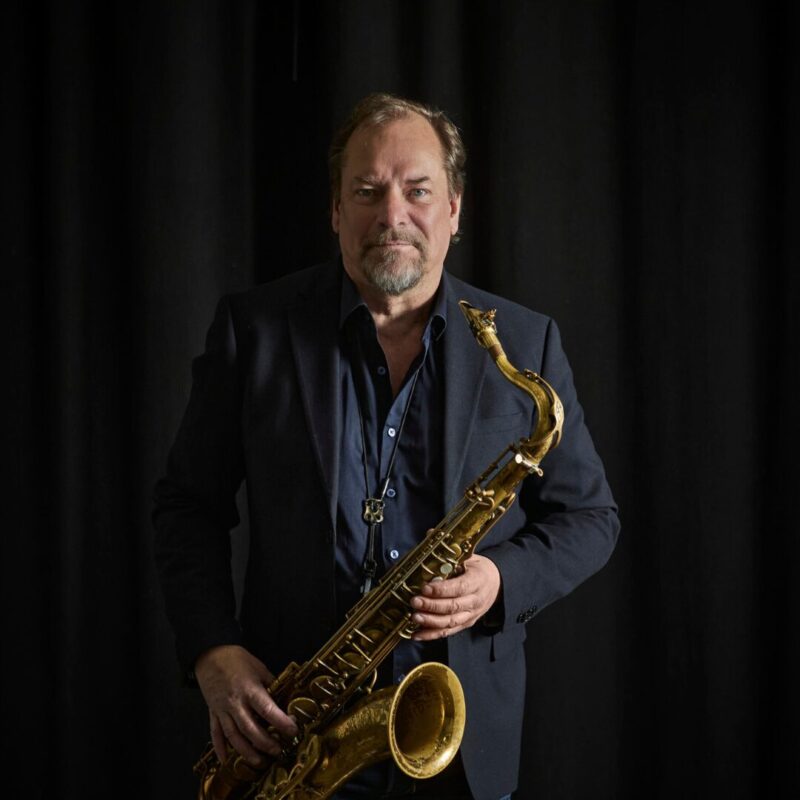
Esa Pietilä is a saxophonist and composer whose melodies test the boundaries of music and adventure through shifting soundscapes. He has worked especially with contemporary music and jazz, imaginatively mixing genres and combining composed pieces with improvisation.
Pietilä has composed numerous works for orchestras, chamber ensembles, and soloists. The Yrjö Award-winning jazz musician has also played in many esteemed jazz ensembles and top orchestras.
In the Meren puolella project, Pietilä is composing a three-part piece of chamber music in which the expression and mood reflect the changes in the Baltic Sea and its biodiversity.
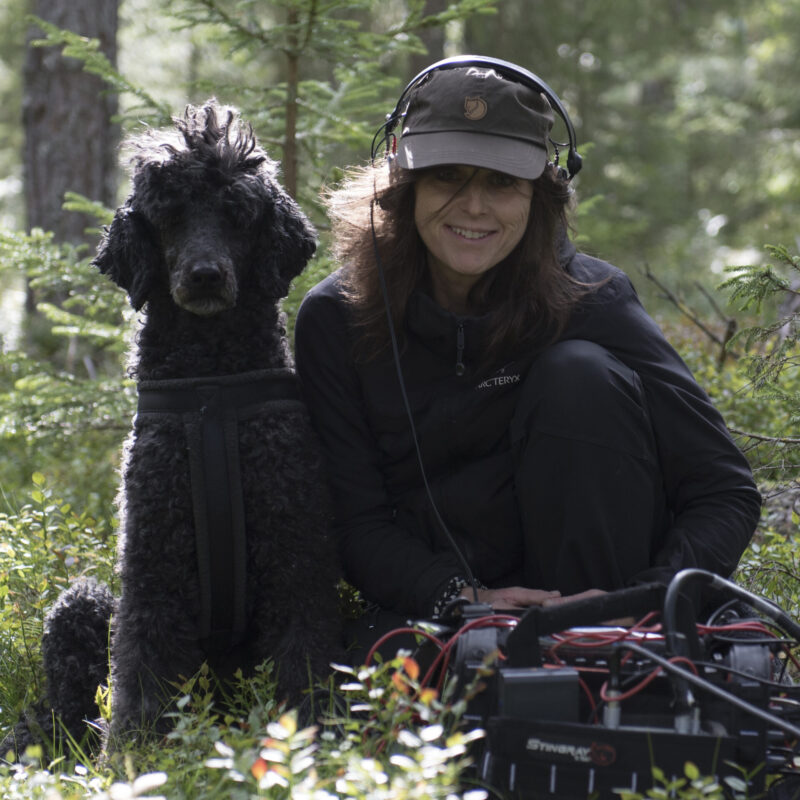
Jana Winderen is an artist based in Norway, focusing on audio environments and their creatures. Her educational background is in fine art, fish ecology, mathematics and chemistry.
Her artwork opens access to our shared environment with other creatures and life beyond reach, be it frequency ranges inaudible for humans or spaces deep under water. The work aims to spark curiosity, questions, and openness towards the unfamiliar through attentiveness and listening.
She brings the hidden, both near and remote, environments close to the listener through performing site-specific multichannel audio installations and concerts. Her work has been exhibited in venues around the world, such as Natural History Museum in London, MoMa in New York, and Thailand Art Biennale in Krabi.
SeaToo supports the objectives of the EU Nature Restoration Law
The EU Nature Restoration Law is seeking to restore degraded ecosystems, and the target is for restorative measures to cover at least 20 per cent of the EU’s land and sea areas by 2030, and all ecosystems in need of restoration by 2050. For coastal EU countries, this also means taking significant action underwater. Reaching this target will require input from both the private and third sectors. The project will also be involving companies in its collaborative work.
Funder

Endorsed by the UN Ocean Decade