Risk of an oil accident in the Gulf of Finland is exceptionally high – John Nurminen Foundation launches action to protect the coast

More information
Teemu Veneskari, Chief of Rescue Services
Kymenlaakso Rescue Department
teemu.veneskari@kymenhva.fi
Tel. +358 044 702 6232
Jukka Pekka Lumilahti, Director of Rescue Services, Gulf of Finland Coast Guard
Jukka-Pekka.Lumilahti@raja.fi
Tel. +358 29 542 6017
Maiju Lanki, Senior Specialist in Nature Conservation, Parks & Wildlife Finland
Maiju.lanki@metsa.fi
Tel. +358 40 596 7244
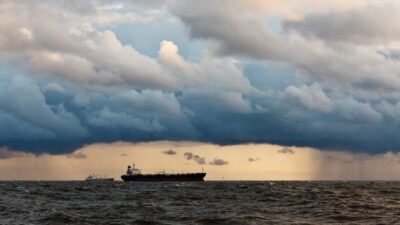
In spring 2026, the risk of an oil accident is being increased by oil shipments carried by Russia’s shadow fleet and by disruptions detected in maritime navigation systems. Together with the authorities, the John Nurminen Foundation is launching measures to strengthen oil spill response preparedness in the eastern Gulf of Finland. The Foundation is raising money for these measures through a marine protection campaign running throughout the spring.
According to the authorities, the likelihood of a serious oil accident in the Gulf of Finland is now higher than it has been in years. Old and often uninsured oil tankers belonging to Russia’s shadow fleet are moving through the area in record numbers, and irregularities have been detected in maritime navigation systems such as satellite navigation. In recent weeks, the oil ports of Primorsk and Ust-Luga, located at the eastern end of the Gulf of Finland, have been targeted in drone attacks. Nearly half of Russia’s seaborne oil exports pass through them.
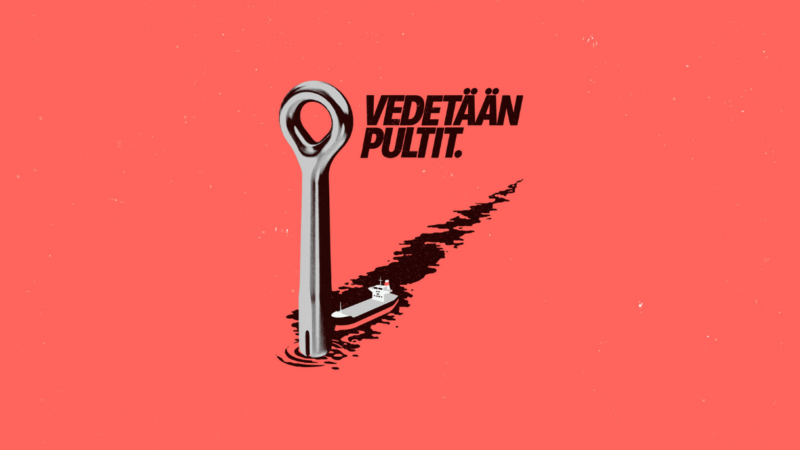
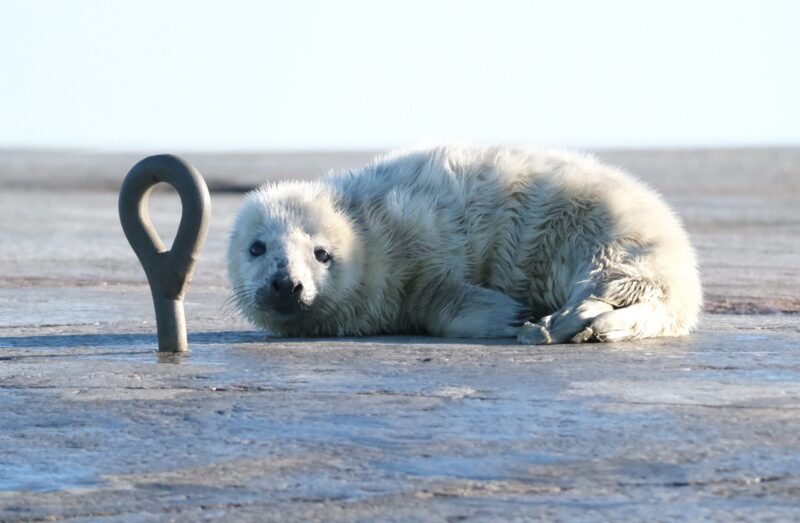
Together with the Finnish authorities, the John Nurminen Foundation is launching a marine protection project to build a permanent fastening system for oil spill response booms in the archipelago of the eastern Gulf of Finland. In practice, this means mooring rings bolted into the bedrock of the archipelago, to which oil spill response booms can be quickly attached in the event of an oil accident. The project is funded through a campaign called “Bolting Down for the Baltic Sea!”, which collects donations from private individuals and companies.
Prevention is the most effective way to combat oil damage
Thanks to the fastening system, oil spill response booms can be installed in place as soon as a threat is detected, before oil reaches the shore, the archipelago or sensitive natural areas. The method is simple and cost-effective, and it can be used to protect significant areas in the Gulf of Finland. In the first phase, mooring rings will be installed along Finland’s coast from Pyhtää to Virolahti.
Annamari Arrakoski-Engardt, CEO of the John Nurminen Foundation, stresses that preparedness is now essential.
“Our Foundation’s central goal is to improve the vitality of Baltic Sea ecosystems and to protect underwater nature. Because the Baltic Sea’s natural environment is so sensitive, it is essential in the changed security environment to prepare for a possible oil catastrophe. We can still take preventive measures and support the authorities’ preparedness for effective oil spill response,” says Arrakoski-Engardt.
Prevention also makes economic sense. According to estimates, post-spill response and clean-up operations are at least ten times more expensive than preparedness measures, which make it possible to launch response efforts in time and thus prevent oil from spreading to cottage beaches and the archipelago’s natural environment. At the same time, long-term impacts on nature, livelihoods and human health can be avoided. According to modelling by Tallinn University, a serious oil accident involving 30,000 tonnes of oil in the Gulf of Finland could spread oil along 185 kilometres of Finland’s coastline, from Inkoo eastwards to beyond Hamina.
Authorities: risk factors identified, preparedness being strengthened
According to the authorities, the risk factors for an oil accident are clearly visible. The Gulf of Finland Coast Guard is responsible for responding to environmental damage incidents at sea and works in close cooperation with coastal rescue departments.
“The risk of environmental damage is currently high in the Gulf of Finland due to the shadow fleet and the irregularities detected in maritime navigation systems. Fastening points installed in the archipelago will significantly speed up response measures,” says Jukka-Pekka Lumilahti, Director of Rescue Services at the Gulf of Finland Coast Guard.
According to Kymenlaakso Rescue Department, the mooring rings will speed up practical response work in coastal and archipelago areas.
“The Baltic Sea’s sensitive natural sites are irreplaceable. The fastening systems strengthen our risk management and our ability to act quickly in the event of an oil accident,” says Teemu Veneskari, Chief of Rescue Services at Kymenlaakso Rescue Department.
Parks & Wildlife Finland is responsible for ensuring that the fixtures are placed in protected areas so that they protect sensitive sites and bird nesting areas as effectively as possible.
“We are now taking important action together to ensure that the archipelago’s natural environment suffers as little as possible from an oil accident. It is excellent that nature-related knowledge is also being used to strengthen response preparedness. Nature is part of our overall security,” says Henrik Jansson, Director of Parks & Wildlife Finland.

We are building a permanent attachment system for oil containment booms in the eastern Gulf of Finland.
Background information on the organisations involved
John Nurminen Foundation
The John Nurminen Foundation works to save the Baltic Sea and its cultural heritage for future generations. The Foundation improves the state of the sea through concrete and effective projects that reduce pollution and prevent environmental problems such as eutrophication and biodiversity loss. Founded in 1992, the Foundation’s work is guided by measurable results and impact and is financed primarily through donations and grants.
www.johnnurmisensaatio.fi/en
Kymenlaakso Rescue Department
Kymenlaakso Rescue Department is responsible for rescue services in its area, accident prevention, and oil spill response in coastal and archipelago areas.
Finnish Border Guard / Gulf of Finland Coast Guard
The Finnish Border Guard is a security authority whose duties include maintaining border security and maritime safety. In the Gulf of Finland, operational duties are handled by the Gulf of Finland Coast Guard.
Metsähallitus and Parks & Wildlife Finland
Metsähallitus is a state enterprise responsible for managing approximately one third of Finland’s land and water areas. Parks & Wildlife Finland is responsible for national parks, strict nature reserves and other state-owned protected areas.