Eero Koivistoinen fell in love with the jazz that filled the harbor bars
Text and photos
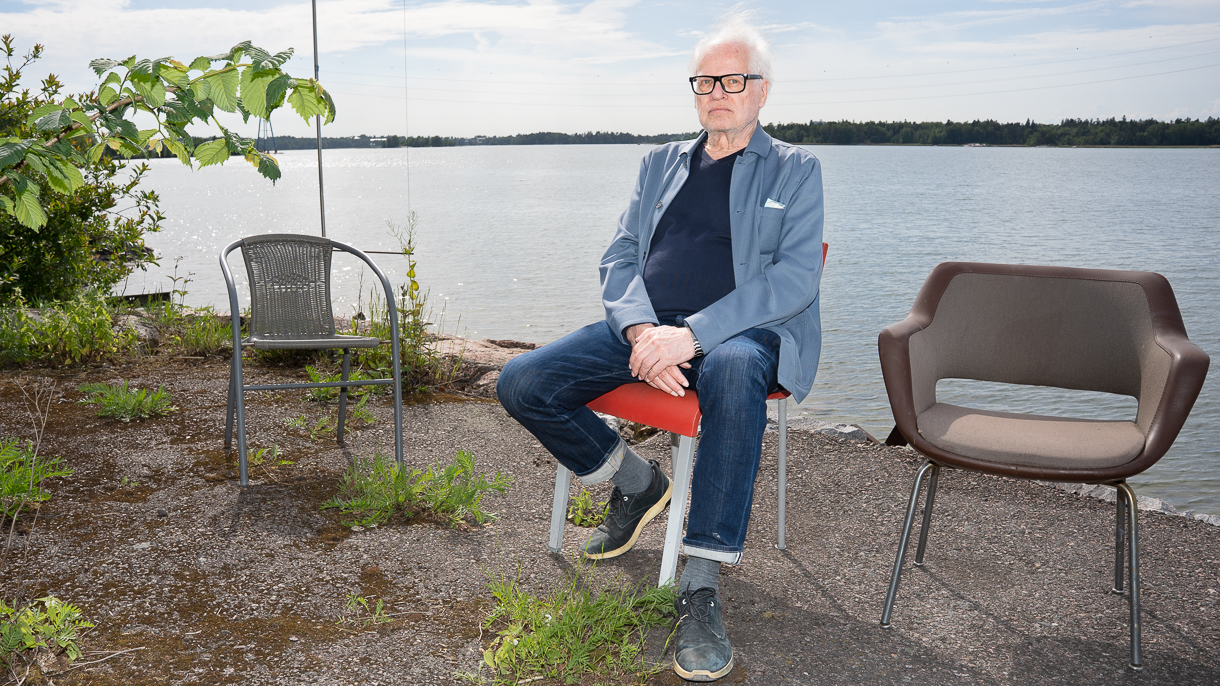
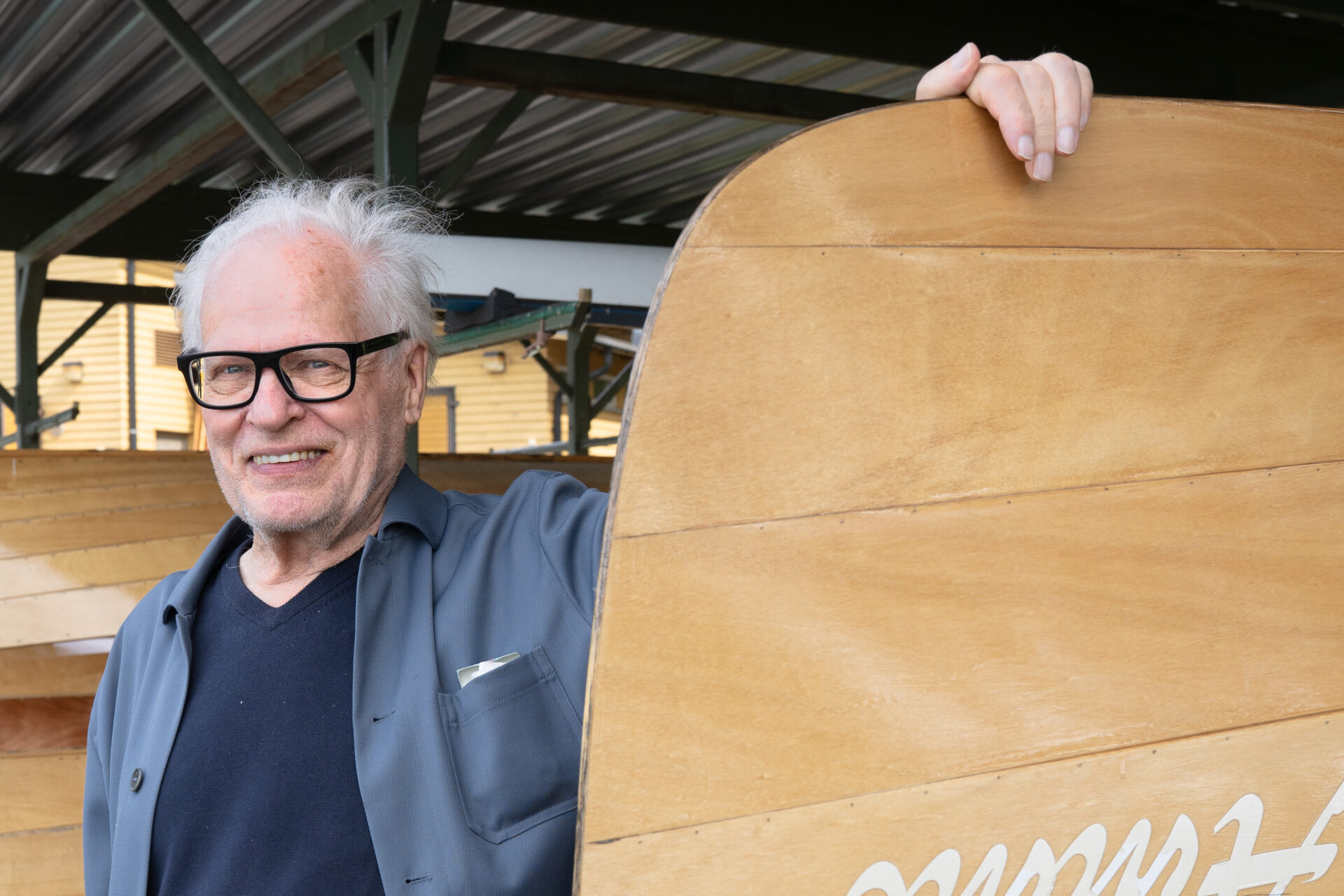
The career of jazz legend Eero Koivistoinen is an important part of the history of Finnish jazz. In addition to the evolution of his beloved genre, he has followed developments in the Baltic Sea region.
The sounds of the canoeing class underway by the waterfront blend with birdsong and the rustling of the wind as composer and saxophonist Eero Koivistoinen talks about the history of Finnish jazz on the café terrace. A hundred years ago, the steamship S/S Andania arrived at Helsinki’s South Harbor with the ship’s orchestra, the Andania Yankees. That orchestra is said to have brought jazz music to Finland. Improvisation, a new kind of rhythm, and playing style captivated local musicians.
Jazz also found its way into Koivistoinen’s life from the seas. Koivistoinen, who began his musical journey with the classical violin, received jazz records as souvenirs from his father and brother, who worked as sailors. In addition to working on ships, his father, Eino Koivistoinen, was a writer and poet. Eero Kovistoinen has composed music for his father’s poems Juomalaulu and Ilta Skansissa.
The jazz music flowing from these souvenirs left such a strong impression on the young musician that he switched from the violin to the saxophone and stayed on that path. The possibility of self-expression through jazz drew Eero Koivistoinen in.
A century of experimentation, development, and classics
Before the wars, jazz in Finland was heard mainly in performances by musicians from abroad. For example, Toivo Kärki made some domestic arrangements.
“Musicians mainly imitated foreign styles. The orchestras were often big bands,” Koivistoinen recalls the genre’s early days.
After the wars, the size of orchestras decreased, and jazz became more rooted in Finnish culture. Evergreens could be heard especially at the start of dance band performances. In the 1960s, domestic composition became more common. The musicians started to look more abroad for possibilities.
The institutionalization of the genre really took off in the latter half of the decade, thanks in part to the founding of Pori Jazz and the Jazz Federation. Jazz has been available as a field of study in Finland since the 1970s, and master’s-level education has been offered at the Sibelius Academy since 1983.
“The education here is top-notch. People come here from abroad, including the United States, to study jazz. In our day, we went to the States ourselves,” Koivistoinen says.
As the new millennium approached, jazz broke out of clubs and venues specializing in the genre and moved into new concert spaces such as churches and concert halls. This development went hand in hand with ever-increasing experimentation and fusion. According to Koivistoinen, in contemporary jazz, boundaries are actively getting broken and genres mixed. Sometimes this is happening in ways that spark debate even within the genre itself about whether we can even still call it jazz.
“But that’s a good thing. That’s when progress happens,” he notes.

From Kotka to the World and Back
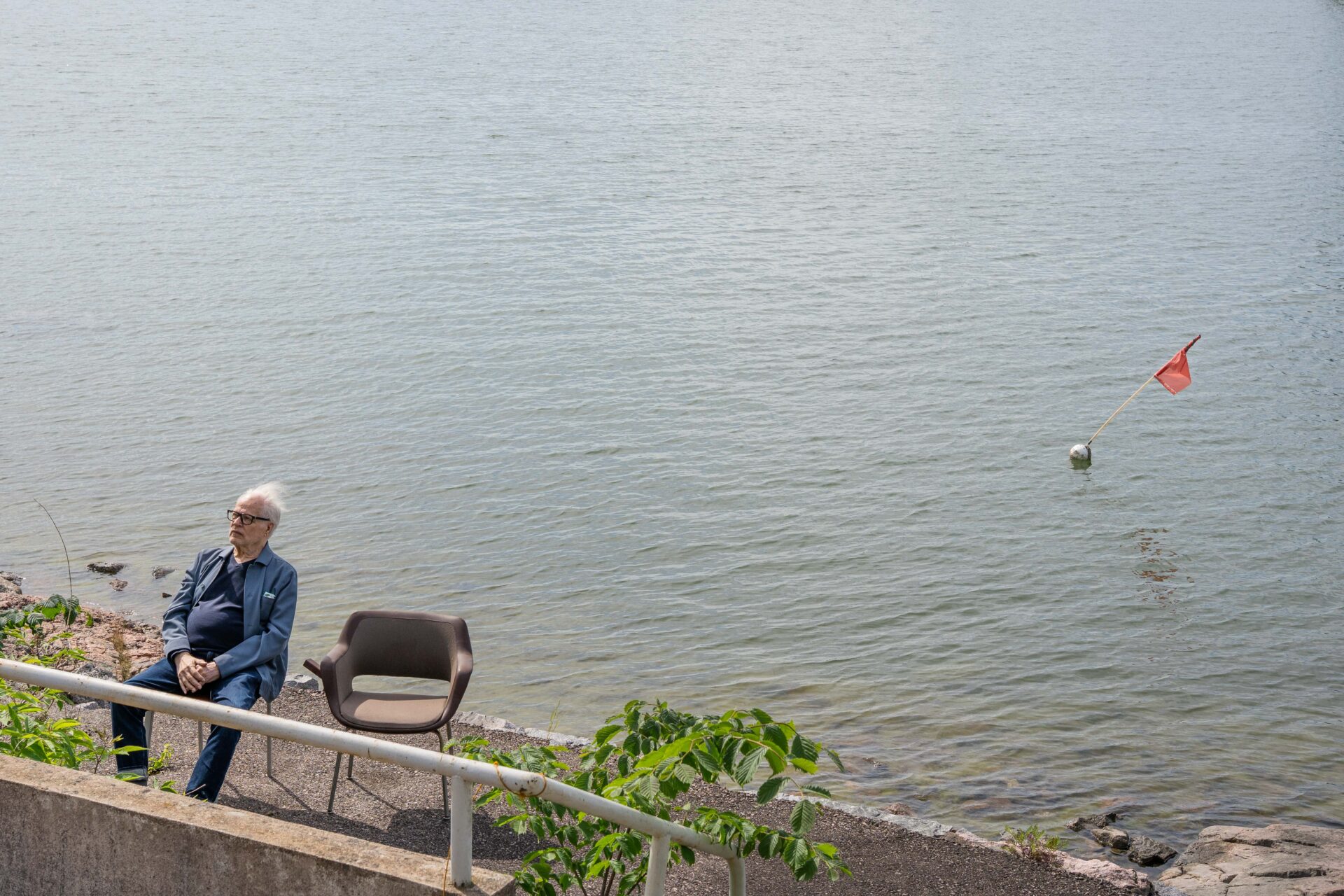
For Koivistoinen, an award-winning artist who has enjoyed international success, the sea has always been an important and constant presence in his life. Since childhood, his family’s summer home has been on a small island in Pyhtää.
“As a child, we swam in the clear waters there, but over the years the water has become murky,” he says.
While spending his childhood in the port city of Kotka in the 1950s and 1960s, Koivistoinen would go outside sailors’ bars to listen to the new and unique music played by local bands. The young musician, thirsty for more, traveled to Helsinki’s jazz clubs to be further enchanted.
“The swing, the drive, and the warm and rich sound drew me in,” he says of his fascination.
Originally working as a camera assistant in the film industry and playing the violin, Koivistoinen switched to the saxophone and began his studies at the Sibelius Academy in 1968. For him, the circle closed when new music from across the ocean eventually led him to study at Berklee College of Music in Brooklyn in the 1970s.
Jazz for the Baltic Sea
Eero Koivistoinen is the artistic director of Korpo Sea Jazz this summer. He will also be performing at the event for the third time with various ensembles. In addition to his own established quartet, he will take the stage with different groups.
“I’ll be playing with some musicians for the first time.”
Korpo Sea Jazz is part of the Archipelago Sea Jazz festival series, which collaborates with the John Nurminen Foundation. The Foundation is engaged in long-term work for the benefit of the Baltic Sea by reducing eutrophication, protecting biodiversity, and preserving the cultural heritage of the sea. These same values are also reflected in the activities of the ASJ festival series, and every ticket buyer can donate to the protection of the Baltic Sea.
The jazz veteran considers the collaboration between Archipelago Sea Jazz and the John Nurminen Foundation to be meaningful.
“It’s important that the Baltic Sea has its own spokespeople. The sea separates us, but it also unites us to a greater extent. We must understand how harmful short-sighted greed is to nature—after all, we are part of it,” he sums up his feelings.