Discharges of hazardous substances pose a greater threat to marine nature than previously believed – Chemical discharges from tankers have been significantly reduced in Finland
More information
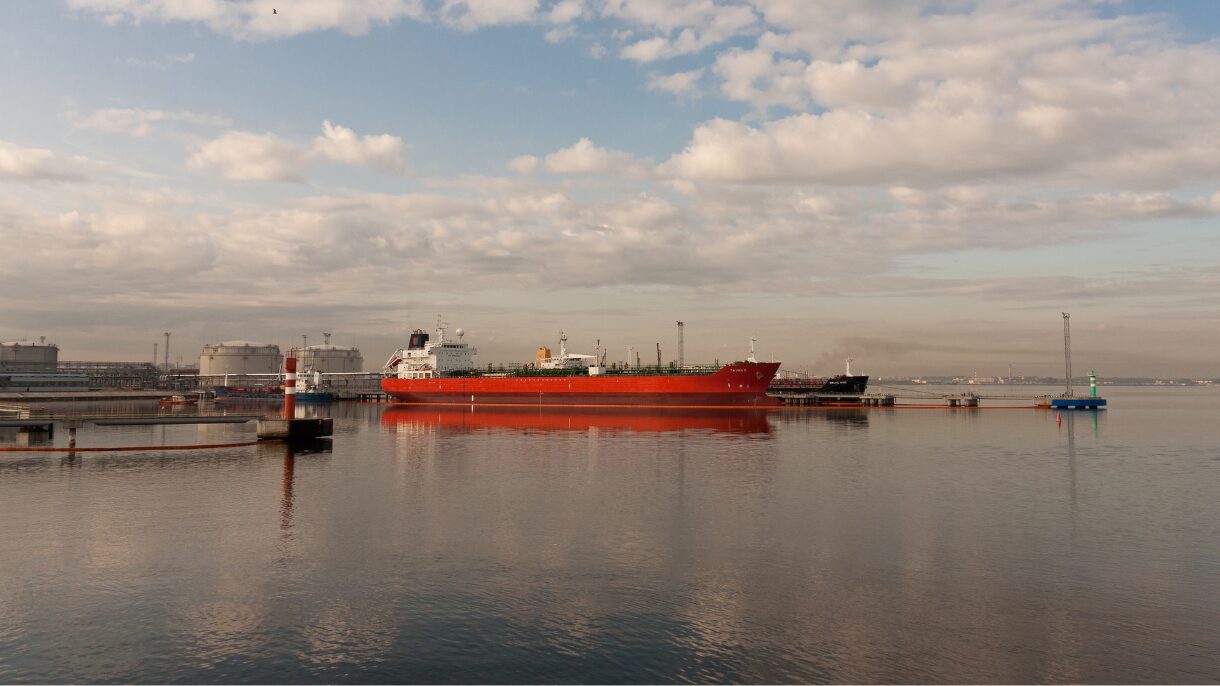
Ships carrying chemicals in the Baltic Sea may discharge carcinogens and chemicals that are harmful to marine life into the sea along with tank washing water. Washing tanks at sea is cost-effective for companies, but the practice poses a serious risk to the environment. Raw materials that could be recycled are also lost. Finland is setting an example for other Baltic Sea countries: collaboration between the John Nurminen Foundation, Traficom, and companies receiving most harmful chemicals have stopped most of the discharges of tank washing in Finland.
Collaboration with companies in the chemical industry has produced results and achieved a significant reduction in the discharges of harmful chemicals into the Baltic Sea. Seven out of eight companies identified as handling harmful chemicals at Finland’s ports have committed to recovering washing water that contains harmful chemicals.
From 2022–2025, the John Nurminen Foundation and Traficom charted the harmful chemicals unloaded at Finnish ports which can be legally discharged from ships into the sea with tank washings. Based on the analysis, the three chemicals that pose the greatest risk to the marine environment are tall oil, styrene, and benzene. By the end of 2025, all of Finland’s tall oil and benzene discharges will have stopped, along with half of its styrene discharges.
“Environmental regulation of maritime transport is considerably more lenient than regulation of onshore operations. For example, the discharge into the sea from tank washing on one ship carrying a harmful chemical can correspond to one hundred years of emissions from a single chemical plant. Luckily, there are companies in Finland whose ambition for environmental responsibility exceeds the minimum requirements, and these companies have now committed to the on-shore recovery of their tank washing water,” says Juulia Suikula, project manager at the John Nurminen Foundation.
If the washing water for these harmful chemicals is left on land, the annual calculated reduction in discharges of these three harmful chemicals can reach up to 40,000 litres.
Nature in the Baltic Sea is negatively affected by chemical discharges – harmful chemicals were even found in nature conservation areas
In the light of new research data, the Baltic Marine Environment Protection Commission, HELCOM, has highlighted hazardous substances as the greatest threat to the Baltic Sea alongside eutrophication.
“The variety of chemicals is expansive, along with their impacts. Substances that may be toxic to marine life, carcinogenic, damaging to birds’ feathers, or may accumulate in the food chain are still being legally discharged into the Baltic Sea along with tank washing water. Research has indicated negative impacts on both coastal birds and seabirds, fish, algae, and even plankton,” says Suikula.
A slow water change rate and low temperatures slow down the dilution and breakdown of substances, which makes the Baltic Sea particularly susceptible to hazardous substances.
“Tank washing water can even be discharged in nature conservation areas. For example, discharges were repeatedly observed off the coast of Sweden in a Natura 2000 area which serves as an important resting place for long-tailed ducks. There are also plenty of illegal chemical discharges, which means that washing water has either been discharged too near the coast or in excessive quantities,” Suikula continues.
Recovering tank washing water will reduce the chemical load in the Gulf of Finland
Only the discharge of the most hazardous chemicals, such as crude oil, into the sea is entirely prohibited. According to international maritime legislation, tankers may discharge multiple harmful chemicals into the sea along with tank washing water under certain circumstances: the ship must be at least 12 miles (approx. 22km) from the nearest land and the sea must be at least 25 metres deep. A single 20-tank vessel can legally discharge 1500 litres of hazardous chemicals into the sea in one go.
The Baltic Sea is a small and shallow sea, and contains only a few areas suitable for tank washing. This means that in the shallow Gulf of Finland, for instance, tank washing has to be carried out in a relatively small area. In such areas, these many different chemicals consequently pose unknown threats, and their effects on marine nature are not yet fully known.
“The positive impact of reducing discharges in Finland will be visible off the coast of Porvoo, which is the location of the only area in the Gulf of Finland that meets the criteria to permit tank washing,” explains Suikula.
Aiming to reduce discharges all across the Baltic Sea
The best practices obtained in Finland will now be introduced in other Baltic Sea countries: the new Baltic Chemical Tanker project aims at reducing chemical discharges in all EU countries bordering the Baltic Sea. The first phase of the project will investigate the harmful chemicals unloaded at ports in each country. In collaboration with chemical industry companies and ports, the project will seek the most cost-effective methods for the on-shore processing of tank washing water. In many cases, recovering chemical residues is fiscally sensible for companies, as the chemicals can be separated from the washing water and utilised in industry.
In order to stop the discharge of chemical residues into the Baltic Sea and the oceans altogether, international maritime environmental regulation must be more stringent. The John Nurminen Foundation carries out advocacy work for stricter regulation through international actors, such as the EU, the International Maritime Organization (IMO), and the Baltic Marine Environment Protection Commission (HELCOM).
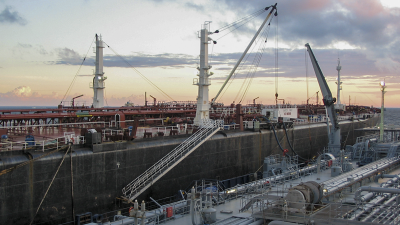
Project reduces discharges of harmful substances into the Baltic Sea from tank washing on chemical tankers.
Read more