Baltic Sea Day brought people together to celebrate and take action for our shared sea
Contact persons
Baltic Sea Day was celebrated on 27 August 2026 for the eighth time. Baltic Sea Day events and activities were organised in Finland, Sweden, Estonia, Poland, Germany, Latvia and Lithuania.
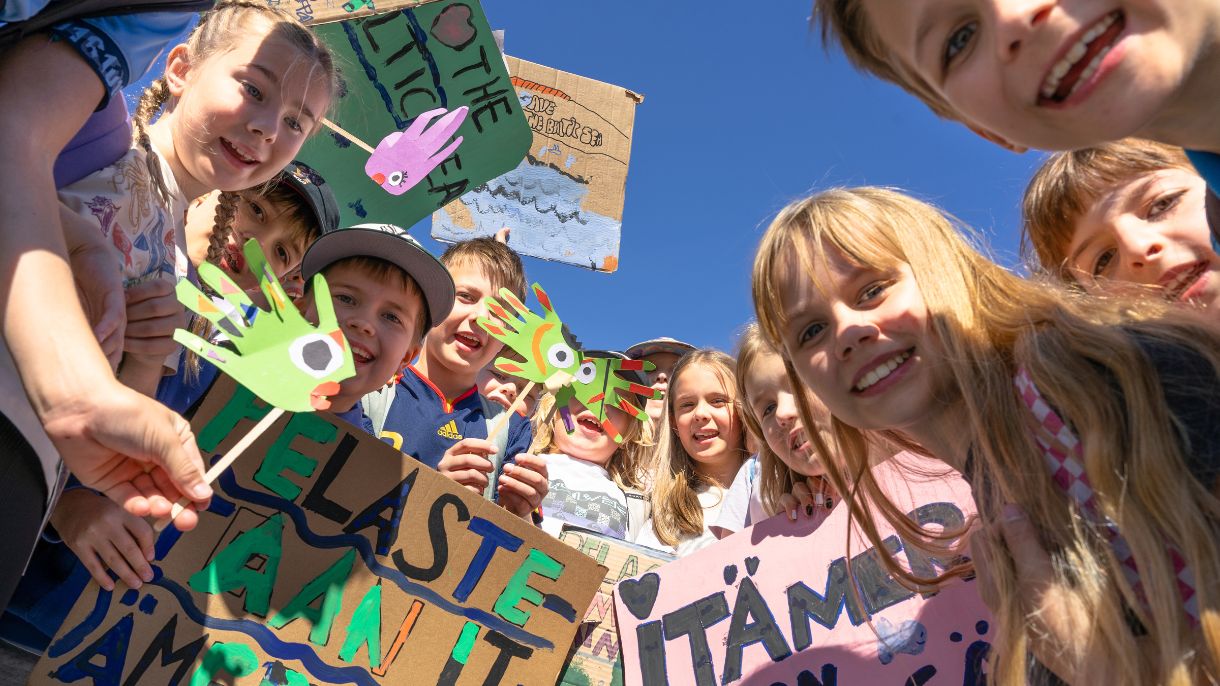
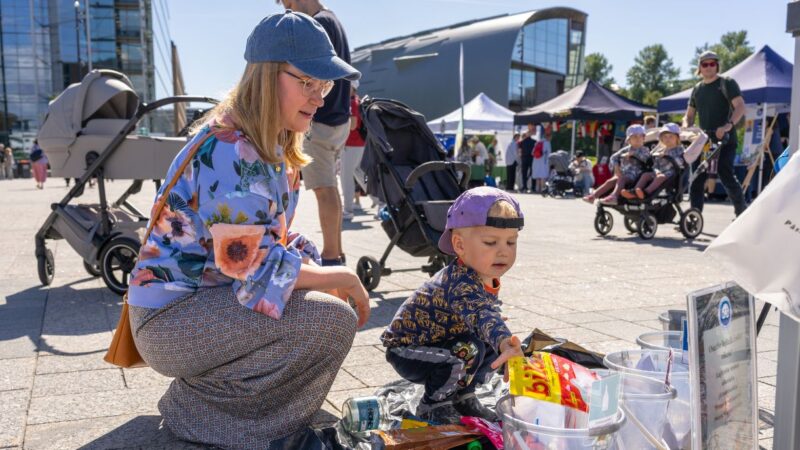
Baltic Sea Day was celebrated through marine-themed exhibitions, concerts, family-friendly events, workshops and seminars, as well as Baltic Sea lunches and group swims. The day also inspired people to take concrete action to help the sea. Baltic Sea-friendly food was served in staff and school canteens, beach clean-ups were organised, and environmental education sessions were held for children.
“It’s not easy to summarise the wide range of Baltic Sea Day events – and that’s precisely what makes the day so special. There are countless ways to get to know the Baltic Sea and spend time by its shores. The diverse programme stems above all from the involvement of such a wide range of organisations: cultural actors, businesses, associations, towns, hobby groups and communities. Each one brings their own perspective to the day and makes Baltic Sea Day their own,” says Oona Piiroinen, producer of Baltic Sea Day.
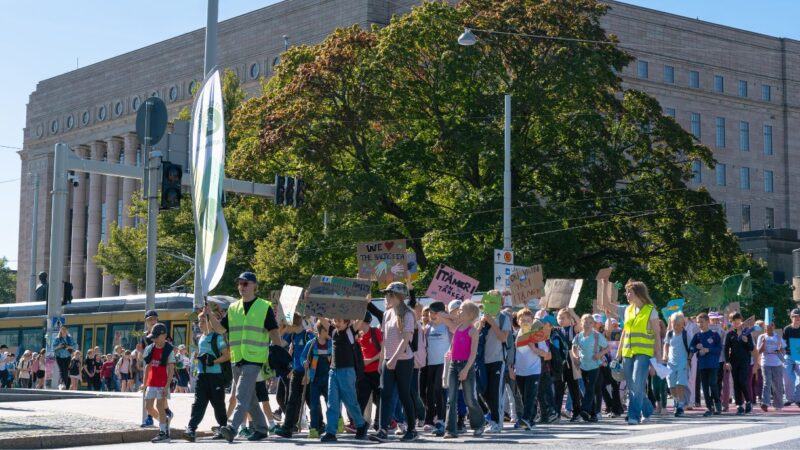

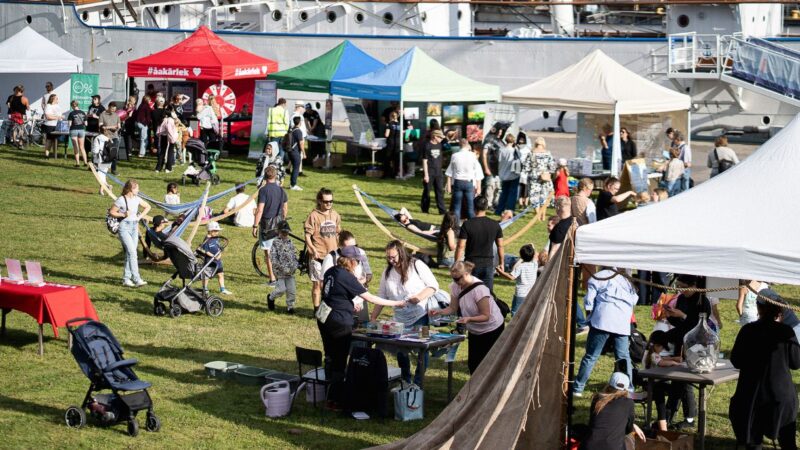

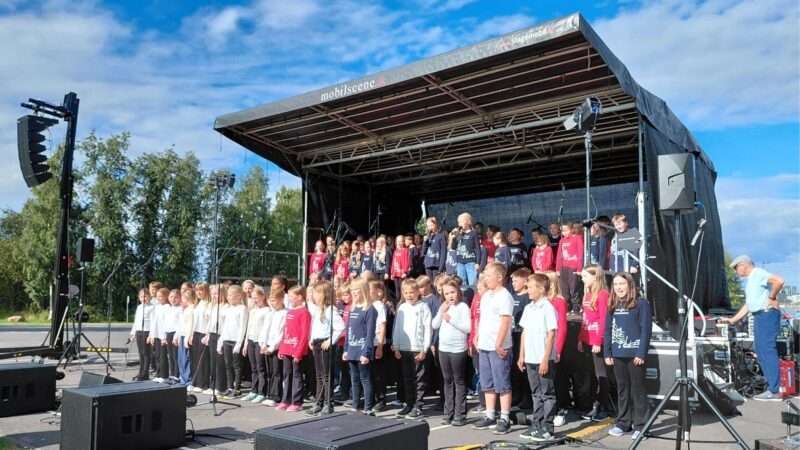
The Baltic Sea connects across borders
Baltic Sea Day is an international celebration that this year was celebrated especially in Sweden, Estonia and Lithuania. In Lithuanian cost, in the city of Klaipeda, Lithuanian sea museum invited people to explore the sea through guided tours and workshops.
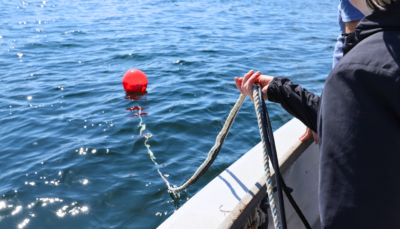
In Sweden, the day was celebrated with over ten events across the coastline – including seminars, guided museum tours and a dip in the sea. In Stockholm, information about the Baltic Sea was shared at a floating boat exhibition, whilst in Värmdö, visitors learnt about the use of reed beds, amongst other things. In keeping with tradition, Sweden’s Crown Princess Victoria also took part in Baltic Sea Day, this year learning about mussel farming.


At Lennusadam in Tallinn – the Maritime Museum – museum sessions aimed at children explored the distinctive features and conservation of the Baltic Sea, and the public also had the chance to learn about the conservation of a historic shipwreck.
At the Viimsi Open-Air Museum, Baltic Sea Day was celebrated with a children’s programme, exhibitions, information on fishing, folk dancing, fish tasting and a group dip at six o’clock.
On Pikakari beach in Tallinn and on the Paljassaare peninsula, people gathered for a beach clean-up and an environmental walk, during which they learnt about the area’s nature, the state of the Baltic Sea, human impacts and the consequences of climate change.
In addition, events organised in Estonia included a cycle tour focusing on Tallinn’s maritime scenery, as well as a film and discussion evening at the Põhjala roof garden.


Baltic Sea Day boosted news coverage of Baltic Sea issues
Baltic Sea Day received extensive coverage in traditional and social media across several different countries. Throughout August, Baltic Sea Day was mentioned a total of 473 times: 221 times in traditional media and 252 times on social media. The combined potential audience for these mentions was 58.4 million.
“It’s great to see Baltic Sea Day becoming part of not only people’s everyday lives and events, but also the media and public debate. Our aim is to keep Baltic Sea issues on the agenda and make the state of the sea and its protection a more visible part of the conversation,” says Oona Piiroinen.

During 2027, the Baltic Sea Day website will be published in new languages
Baltic Sea Day will once again be celebrated next year on the last Thursday in August, 26 August 2027. John Nurminen Foundation invites everyone interested in the day to take part. Participation in Baltic Sea Day is free of charge and requires only a commitment to shared values.
“We are happy to be able to offer the Baltic Sea Day website in five new languages next year. The site will be translated into German, Polish, Latvian, Lithuanian and Danish. On the site, we offer tips for organising various events and a comprehensive material bank to help with communication and marketing for Baltic Sea Day in ones own language area. We hope that this will enable the joy of Baltic Sea Day to spread and take root in more and more towns and villages along the shores of the Baltic Sea and within its catchment area,” says Maija Soljanlahti, producer of the Baltic Sea Day.
The expansion of the website will be made possible by a grant awarded to the John Nurminen Foundation: ICMM-Global Maritime Histories: Case Studies for Change Grants are funded by the Lloyd’s Register Foundation and managed by the International Congress of Maritime Museums.
Baltic Sea Day was launched in 2019 by John Nurminen Foundation, a Finnish NGO with the aim of saving the Baltic Sea and its heritage. In 2027 Baltic Sea Day will be celebrated on 26 August.