Bringing the Baltic Sea closer through the lens
Text
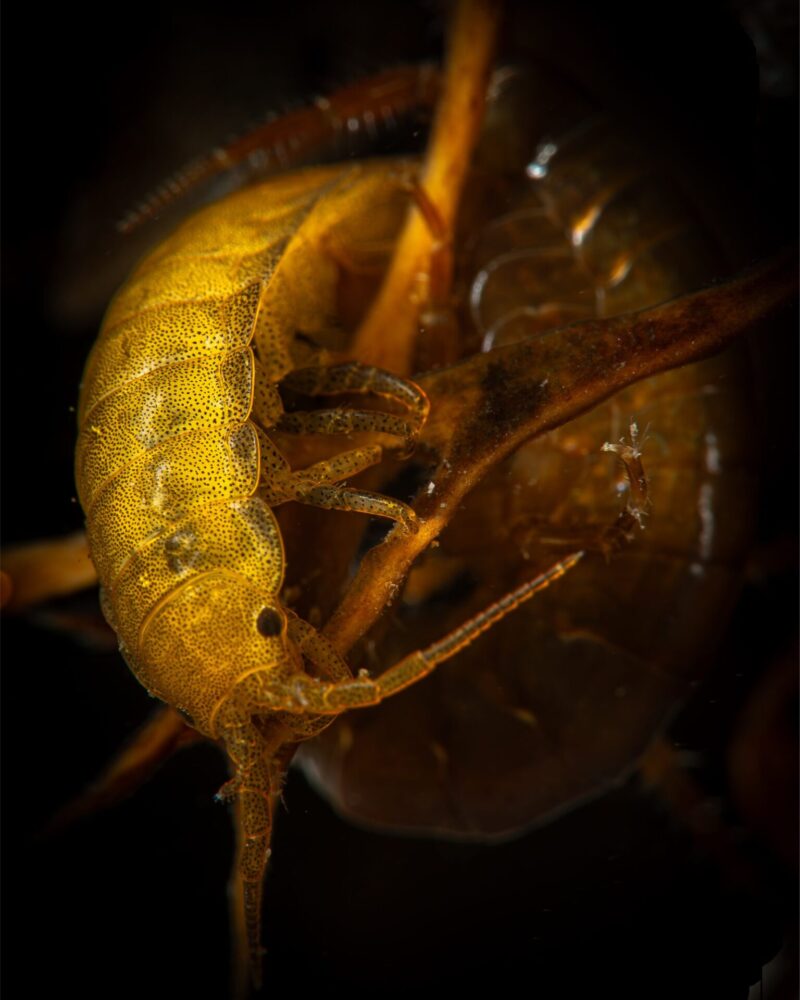
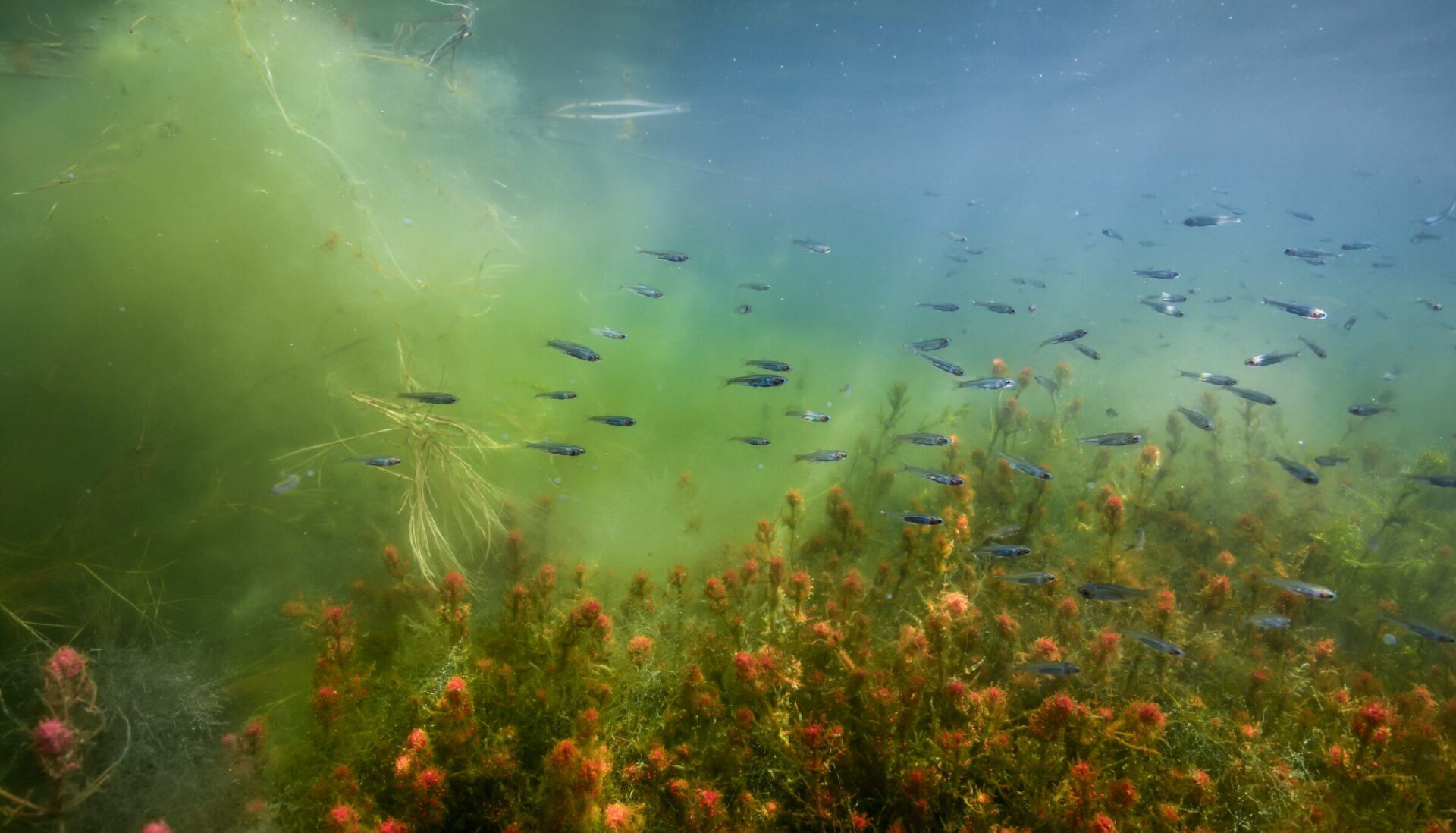
Beneath the surface of the Baltic Sea lies a unique world. Marine biologist Mats Westerbom from the Natural Resources Institute Finland has been diving in the waters of the Baltic Sea since the 1990s. Through photographing underwater, Westerbom has been able to record both the beauty and the changes of marine nature.
A scuba diving course eventually inspired Mats Westerbom to become a marine biologist, leading to research on topics like mussels and coastal environmental changes.
Initially, Westerbom took the camera along for the dives as part of research. According to Westerbom, the first pictures were terrible, but that was the start of a learning process.
“At the turn of the 2000s, there was much less footage available from below the surface of the Baltic Sea than there is now. I needed pictures for presentations, for example. I took my first diving course in the early 1990s. The camera became part of the dives later down the road”, Westerbom explains.
The transformative power of images
Driven by a desire to make an impact, Westerbom has used photography to highlight the beauty and importance of marine life, a mission heavily integrated into the earlier work at the Tvärminne Zoological Station. For Westerbom, photography is not just a joyful hobby, but a tool to drive meaningful change.
“I have realised that change does not happen just through numerous studies and scientific publications. Information and nature must be brought closer to people, and photographs are one way to do this”, Westerbom describes.
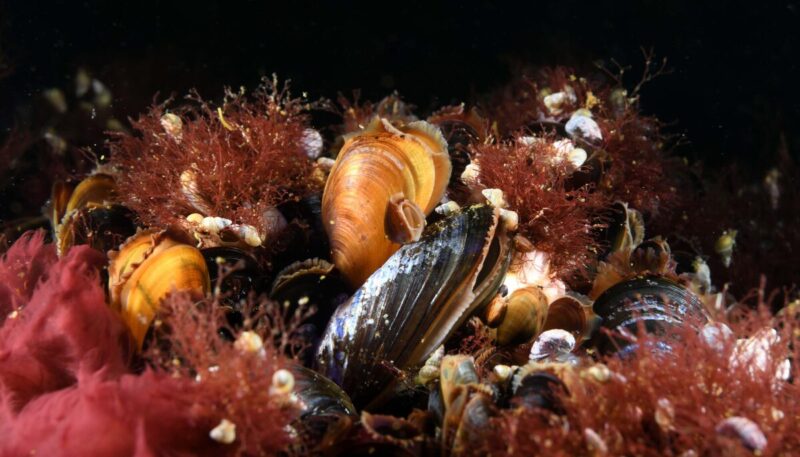
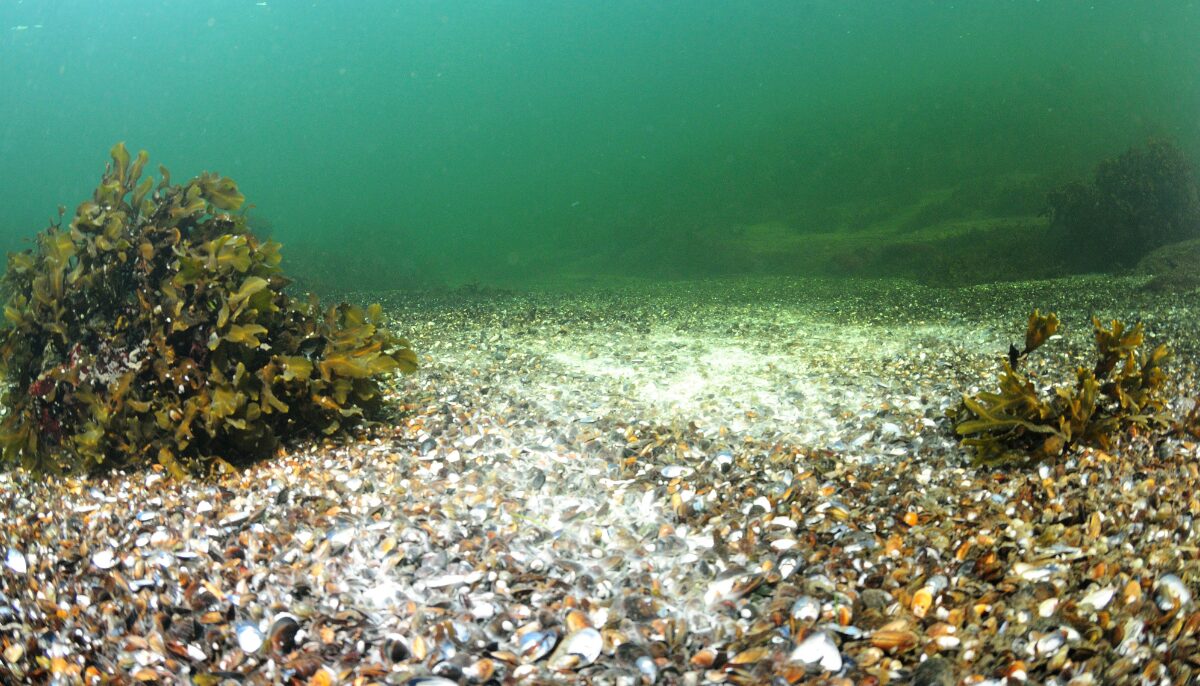
Westerbom has also used images in scientific articles: for example, showing how a heat wave affects mussels when it sweeps over.
The outer archipelago is calling
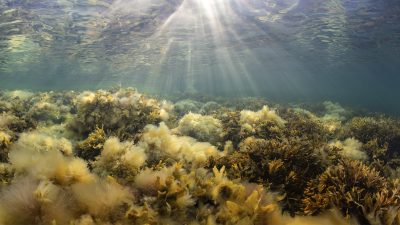
Westerbom has completed almost all dives in the waters of Hanko. The research has focused particularly on hard-bottom reefs, which are fascinating habitats.
The time window for photography in Finnish waters is not very long – the best times are in November and early spring, after the ice has melted and before the algae bloom begins. This is when the colors are at their best and the algae do not cloud the water.
However, the lack of light and winds pose a challenge in November. According to Westerbom, these days one must wait longer in the autumn than before to photograph in clear waters.
“This is related to the higher water temperature. This results in more particles in the water: phytoplankton and algae”, Westerbom states.
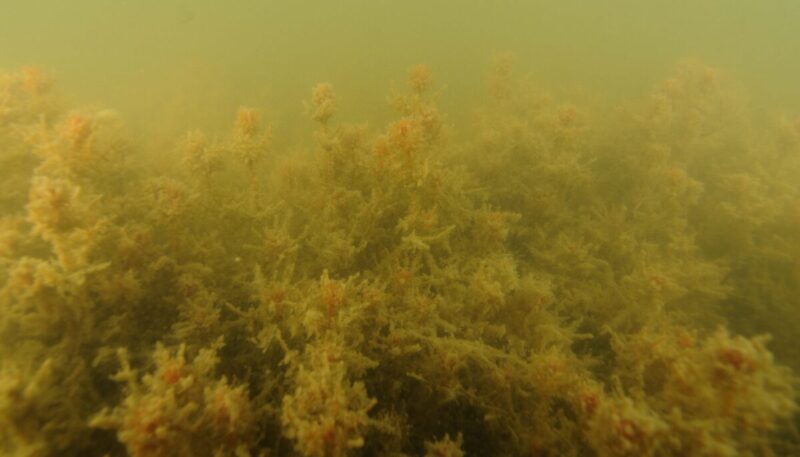
Climate change and excessive nutrients ending up in the sea cause serious environmental problems in the Baltic Sea. Eutrophication is harming nature, oxygen is decreasing, and the survival of species is deteriorating.
Westerbom notes that the situation has improved since the turn of the 1990s and 2000s, when there was much more algae when diving than now. Although the nutrient load in the Baltic Sea has been reduced over the decades, a lot of nutrients have been stored in the bottom sediments, and they are slowly releasing back to the water.
Climate change, in turn, is increasing the nutrient load from land to sea while warmer waters enhance the negative effects of nutrients.
From below the surface into the forests
Diving in dark and cold waters does not scare Westerbom.
“For some it is unnerving, but for me it never has been. I dislike high places but love the feeling of flying underwater: it is wonderful to just let the currents carry you. Experience has given me more confidence”, Westerbom says.
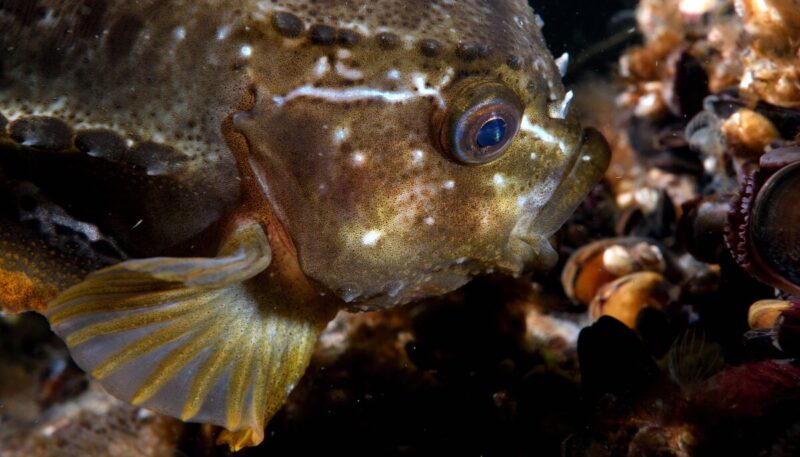
The adventures below the surface have included some memorable encounters. Once, in the open sea, the diving expeditioners were able to follow a journey of a lynx. Yet it was disappointing that the camera had been left on the land.
“Once, I was diving to collect samples, not very deep, but it was really dark down there. I was working when I felt that someone was behind me. Then that someone grabbed my flipper and started pulling. Well, it was a seal that ended up circling around me for several minutes. I did not have the camera with me then either”, Westerbom recalls.
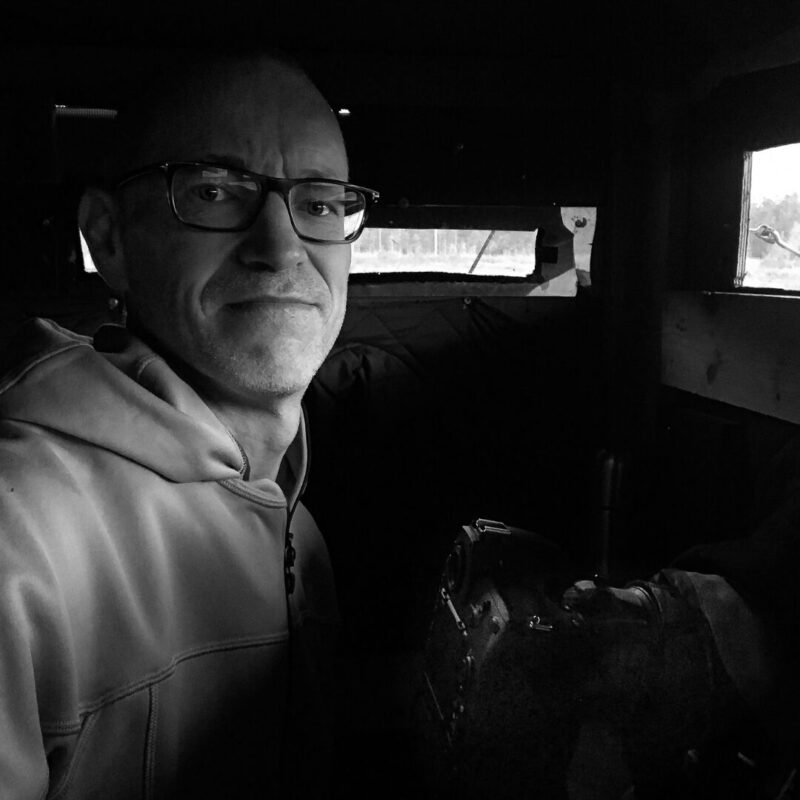
After the research career, diving and underwater photography have been left behind. Instead, Westerbom heads to the depths of the forests and often photographs large predators. The desire to increase understanding of nature has also driven photographing on land.
It seems that Westerbom is no longer going diving. However, many folders of photos from years of diving trips are still waiting to be edited.