Wonderful, horrible nature – Our relationship with nature grows stronger on the brink of loss
Text
Biodiversity in our own home sea is becoming impoverished. We often don’t realise the importance of certain species until they are on the verge of disappearing. Old newspaper articles reveal how our relationship with the environment has changed over the centuries.
The list of facts is long: Biodiversity loss is occurring faster in the Baltic Sea than in the other seas of the world. Researchers have found that species loss is ongoing in all of Finland’s marine areas. About 10 per cent of the species living in the Baltic Sea are classified as threatened. In Finland, one in four habitat types along the Baltic Sea coast is threatened, and as many as half are at risk of decline or becoming threatened.
What kind of a relationship do we humans have with nature if we are capable of causing such widespread destruction to other species?
Historian Otto Latva at the University of Turku has studied humankind’s relationship with nature from a humanistic perspective, through the written word. Latva and his research team use nature-themed articles published in Finnish newspapers from the 19th century to the present as their source material. This is an intriguing method that enables them to observe how humankind’s relationship with nature has evolved over the decades and centuries.
Although it is often thought that the relationship of humans with other species is unchanging, Latva says that this is not the case. This relationship has shifted from one era to the next. In fact, such changes are constant in different cultures at the global, national and local levels.
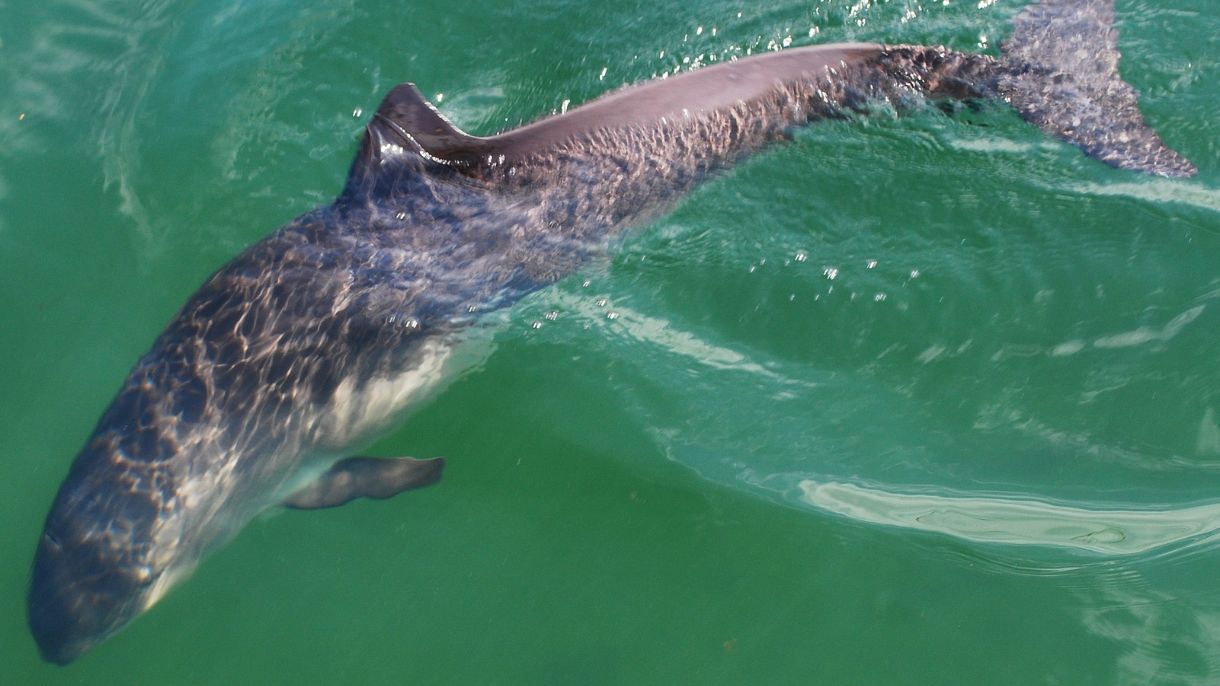
However, regardless of the era in question, these relationships have one thing in common. Almost without exception, people only realise the importance of a species once they have already harmed it. A species only makes the headlines when it’s on the verge of disappearing. Latva says that one example is the Baltic harbour porpoise. The species was written about widely in the 1920s and 1930s.
“Back then, whenever someone saw a harbour porpoise, they shot it. That was how things were back then. They thought that porpoises were a nuisance to fishermen because they were competing for the same catch. Now, when people write about porpoises, it’s with a feeling of sadness, because the species has become so rare,” says Latva.
Back then, animals were often killed for research purposes. That was considered normal. This was motivated by both human curiosity and ignorance. For example, animals were donated to school collections.
Nature conservation for personal needs
The research material also reveals the first efforts at nature conservation in the 19th century. Their perspective was closely tied to the class society of the time. With the advent of the Enlightenment, the idea that humans should control and direct nature became widespread.
“Newspaper articles report on the first people to express views on game management, that certain species should be protected to ensure there would be enough animals to hunt. Interestingly, these articles highlight a conflict between different social classes. The writers are irritated by common people’s closer connection to nature and, for example, their reluctance to hunt bears and wolves,” Latva says.
A changing relationship
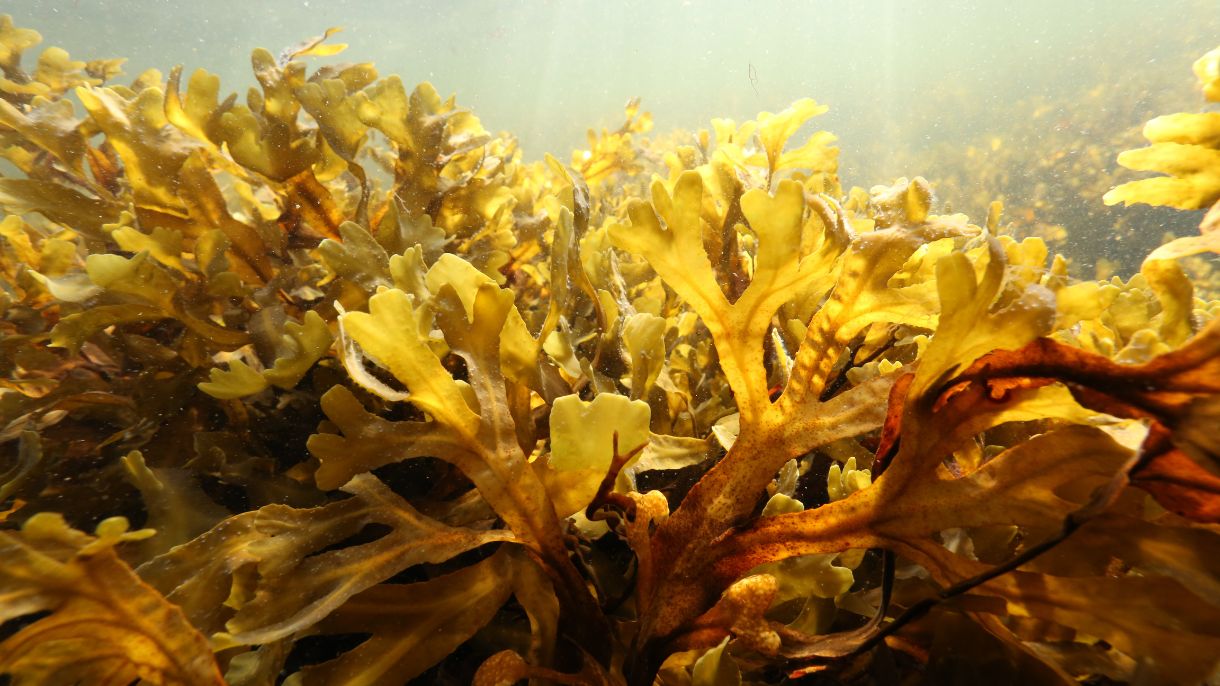
From these articles, it is clear that animals have always captured our attention, while we have taken plants, algae and bacteria for granted. However, Latva says there are two plant species associated with the Baltic Sea that have received an astonishing amount of press attention. One is bladder wrack and the other is blue-green algae.
“A fair amount has been written about bladder wrack. The obvious reason is that early 20th century farms used it as a soil conditioner,” says Latva.
As an example, Latva mentions an article describing the use of bladder wrack as a fertiliser at an orchard in Vyborg. Attitudes towards bladder wrack began to change in the 1980s, when there was a growing concern that it was disappearing entirely. As the 2000s dawned, awareness of the importance of bladder wrack as a key species for life in the Baltic Sea began to take root in public discourse.
In the early 20th century, blue-green algae were primarily considered an aesthetic nuisance. Blue-green algae posed a problem especially in lakes. In the summertime, people were concerned about its unsightly effect on the lakes. Researchers considered it an interesting organism, but attitudes towards blue-green algae began to change only in the middle of the century; at that time, it was found that the algae gave a strange flavour to drinking water taken from lakes.
It took several decades, until the 1980s, before the tone in the media shifted: the news began to focus on ill domestic animals and the deaths of pets. Media reports started focusing on the toxicity of algae. Systematic monitoring of blue-green algae did not begin until the late 1990s.
Knowledge is growing, but progress is slow
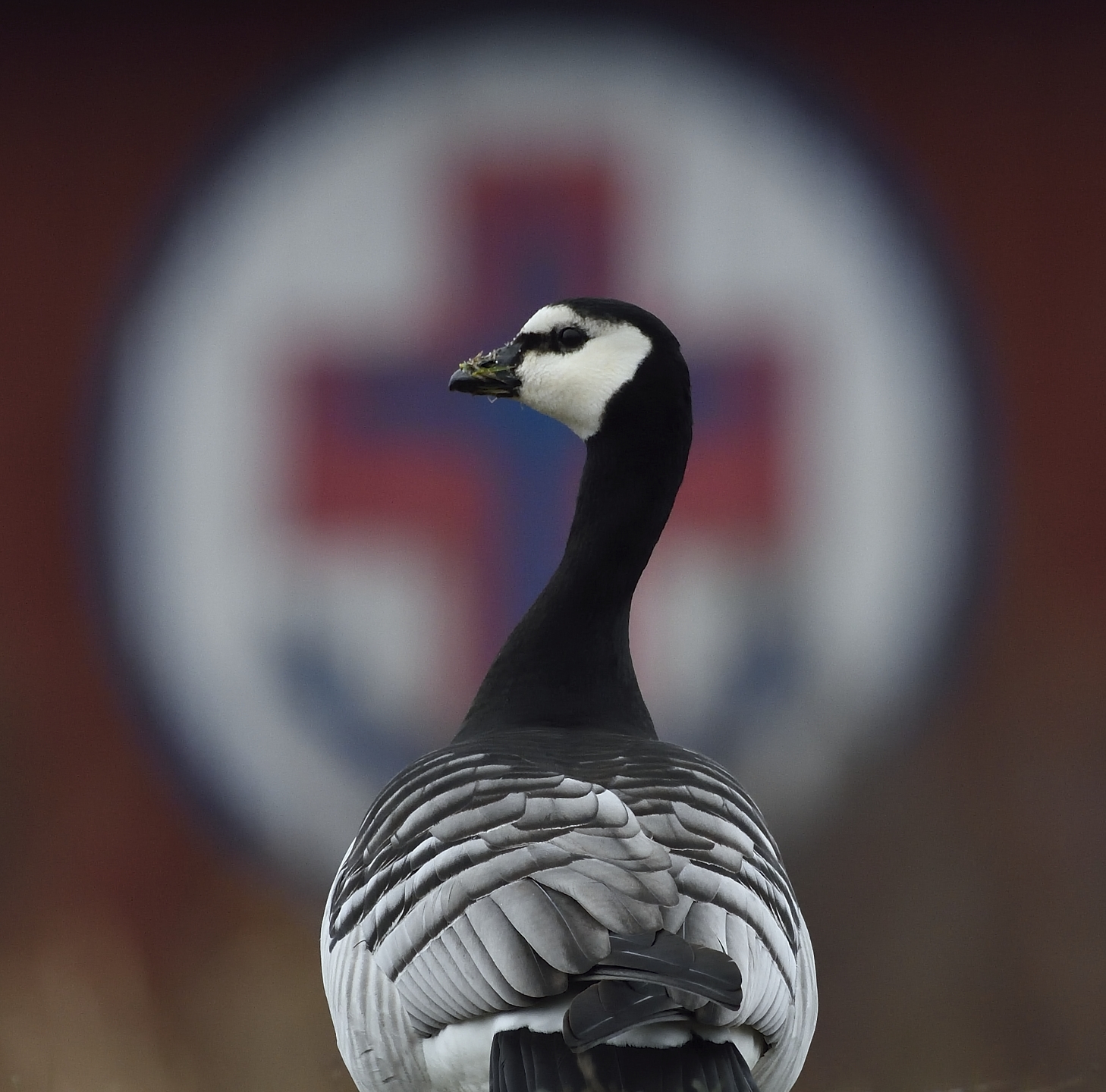
The human tendency to classify species as useful, harmful, wonderful or worthless has persisted over the centuries. Latva points to the great cormorant and the barnacle goose. These birds are currently covered by the EU Birds Directive, which promotes the conservation of bird populations. However, the current government has proposed a motion to remove their status as protected species. They could then be hunted, subject to the provisions of the Hunting Act, on the grounds that they threaten human livelihoods and habitats.
“As recently as the mid-20th century, barnacle geese and great cormorants were seen as magnificent, majestic birds. However, starting from the late 1990s, it became more common to consider both of these Baltic Sea species as a nuisance. The closer you get to the present day, the more widely hated they’ve become,” says Latva.
What would the present look like if it were studied a hundred years from now?
Although, as a historian, he knows that people are capable of changing their behaviour as they gain knowledge, Latva’s view of the present is not particularly positive.
“I think future researchers will be astonished by how unbelievably indifferent people are today, even though they’ve had a massive amount of research information to support their decision-making. These researchers would certainly wonder why no one took action. Why didn’t we make more of an effort to strengthen the relationship between people and the environment, and focus on how people function as part of nature?” says Latva.
This article has been published previously on John Nurminen Foundations Telegrammi-magazine (1/2026).
Read more